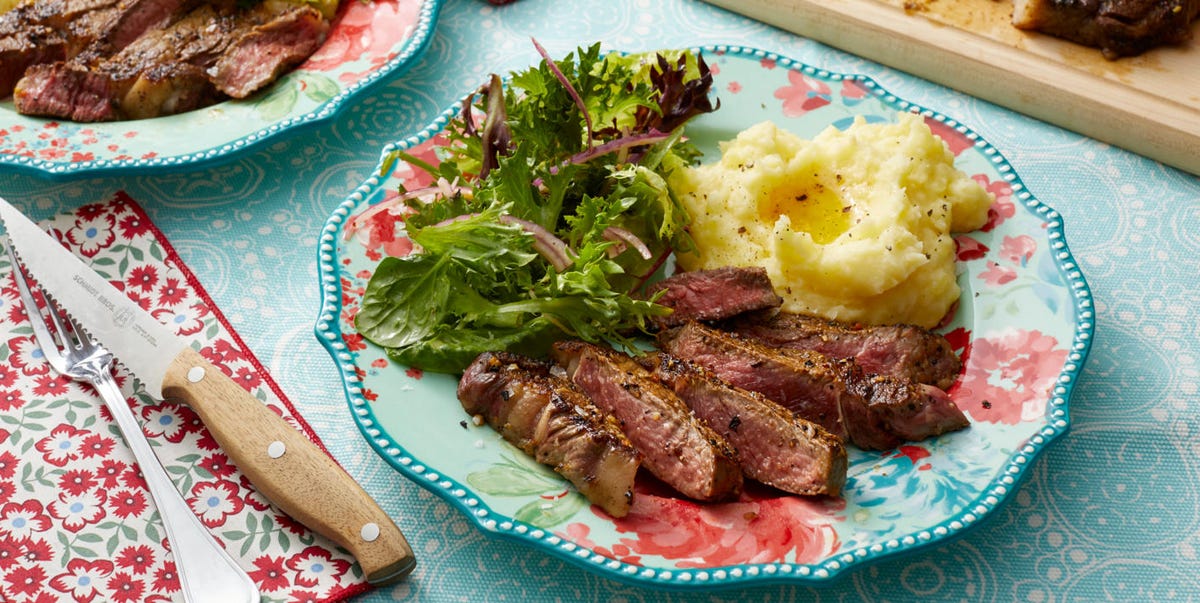
Master Pan-Fried Ribeye: Your Go-To for Winter Steaks
As the mercury drops and snow blankets the landscape, the thought of firing up the outdoor grill often shifts from an appealing prospect to a chilly chore. For those living in colder climates, or simply seeking a hassle-free, restaurant-quality steak experience at home, mastering the art of the pan fried steak is an absolute game-changer. Forget wrestling with a snow-covered BBQ; with a few simple techniques and the right cut of beef, you can create a flavorful, juicy, and tender steak that rivals any steakhouse, right on your stovetop. This article will guide you through selecting the best cuts for winter steaks, focusing on the illustrious ribeye, and perfect the pan-frying method for an unforgettable meal.Choosing Your Champion: The Best Cuts for Pan-Frying
The foundation of any great steak dinner begins with selecting a high-quality cut of beef. When it comes to pan-frying, certain characteristics make a steak particularly well-suited for the intense, direct heat of a skillet. You're looking for balance: enough fat to render into flavor and juiciness, but not so much that it overwhelms, and a thickness that allows for a perfect sear without overcooking the interior. For the ultimate pan-fried experience, especially when aiming for that luxurious, melt-in-your-mouth winter steak, here are the top contenders:- Ribeye: The Undisputed King of Flavor and Marbling
The ribeye steak is arguably the most popular choice for pan-frying, and for good reason. Known for its generous marbling – those streaks of intramuscular fat – the ribeye delivers an unparalleled richness, juiciness, and tenderness. As the steak cooks, this fat renders, basting the meat from within, resulting in a profoundly flavorful experience. A ribeye cut between one inch and one and a half inches thick is ideal, allowing you to achieve a beautiful, dark crust while maintaining a perfectly cooked, tender interior. This cut truly shines under the pan-frying method, developing a complex flavor profile that is both robust and succulent. - Beef Tenderloin (Filet Mignon): The Epitome of Tenderness
If tenderness is your absolute priority, the beef tenderloin, often known as Filet Mignon, is an exquisite choice. It’s incredibly lean but renowned for its buttery, delicate texture. While it lacks the intense marbling of a ribeye, its inherent tenderness makes it a highly prized cut. Due to its thickness and leanness, tenderloin can be a bit more challenging to cook evenly on the stovetop; often, it benefits from a quick sear followed by a finish in the oven to ensure consistent doneness without drying out. - Strip Loin (New York Strip): A Balanced Beauty
The New York Strip offers a fantastic balance of flavor and tenderness. It’s typically leaner than a ribeye but still boasts a good amount of marbling and a firmer texture. It’s an excellent all-rounder, providing a satisfying chew and robust beefy flavor that stands up well to pan-frying.
Mastering the Pan-Frying Technique: Step-by-Step for Perfection
Achieving steakhouse-quality results at home is easier than you think, provided you follow a few essential steps. The key lies in creating an incredible crust while keeping the interior moist and tender. For a comprehensive guide to perfecting your skillet skills, check out our article on Easy Pan-Fried Steak: Steakhouse Quality at Home.- Bring to Room Temperature: This is a crucial first step. Remove your steak from the refrigerator at least 30 minutes, and ideally up to an hour, before cooking. Allowing the steak to come closer to room temperature ensures more even cooking, preventing the exterior from overcooking while the center struggles to heat up.
- Pat Dry and Season Generously: Moisture is the enemy of a good sear. Thoroughly pat your steak dry with paper towels. A dry surface allows the steak to make direct contact with the hot pan, promoting the Maillard reaction (the chemical process that creates that delicious brown crust). Once dry, season generously on all sides with kosher salt and freshly ground black pepper. Don't be shy – much of the seasoning will form part of that incredible crust.
- Preheat Your Pan Properly: A heavy-bottomed skillet is your best friend here. A cast iron pan or a good quality heavy stainless steel skillet retains heat exceptionally well, which is vital for a consistent sear. Place your pan over medium-high to high heat and allow it to get screaming hot. Add a high-smoke-point oil, such as olive oil, grapeseed oil, or avocado oil, just before adding the steak. The oil should shimmer, but not smoke excessively.
- Sear for the Crust: Gently place the seasoned steak into the hot pan. Avoid moving it for the first few minutes. This is where the magic happens – a beautiful, deeply browned crust begins to form. Depending on the thickness of your steak and the heat of your pan, sear for 2-4 minutes per side. Flip once and repeat on the other side.
- Butter Basting for Flavor: For a truly luxurious touch, in the final minutes of cooking, add a tablespoon or two of unsalted butter to the pan. You can also toss in aromatics like crushed garlic cloves, fresh rosemary, or thyme sprigs. As the butter melts and foams, tilt the pan slightly and use a spoon to continuously baste the steak with the flavorful butter. This not only adds incredible richness but also helps to achieve an even, golden-brown crust. For more specific techniques, explore our Pan-Fried Steak Secrets: Juicy, Tender, & Perfect Sear.
- Monitor Internal Temperature: The best way to ensure perfect doneness is with an instant-read meat thermometer. Insert it into the thickest part of the steak, avoiding any bone or large pockets of fat.
- Rare: 125-130ºF (52-54ºC)
- Medium-Rare: 130-140ºF (54-60ºC) - *Often considered ideal for ribeye.*
- Medium: 140-150ºF (60-65ºC)
- Medium-Well: 150-155ºF (65-68ºC)
- Well Done: 160ºF (71ºC) and above
Elevating Your Steak: Finishing Touches and Serving Suggestions
The cooking process doesn't end when the steak leaves the pan. The resting period is perhaps the most critical step for a truly tender and juicy result.The Golden Rule: Rest Your Steak!
Once your steak reaches its desired internal temperature, transfer it to a cutting board and loosely tent it with aluminum foil. Let it rest for 5-10 minutes. This allows the juices, which have been driven to the center by the heat, to redistribute throughout the meat. Skipping this step will result in a dry steak, with all those precious juices spilling out onto your board when you cut into it.
Slice Against the Grain:
After resting, slice your steak against the grain (perpendicular to the direction of the muscle fibers). This shortens the fibers, making each bite incredibly tender and easy to chew. With a perfectly pan-fried ribeye, you'll find the slices glistening with flavor and moisture.
Perfect Pairings for Your Winter Steak:
A perfectly pan-fried ribeye is a meal in itself, but it pairs beautifully with classic steakhouse sides. Consider a heaping pile of creamy roasted garlic mashed potatoes, crisp-tender asparagus, or rich creamed spinach. A simple, fresh green salad with a bright vinaigrette provides a refreshing contrast. For an extra touch of decadence, top your steak with a pat of compound butter (mixed with herbs, garlic, or blue cheese) that will melt into the warm meat. Pair with your favorite robust red wine for a complete winter feast.
