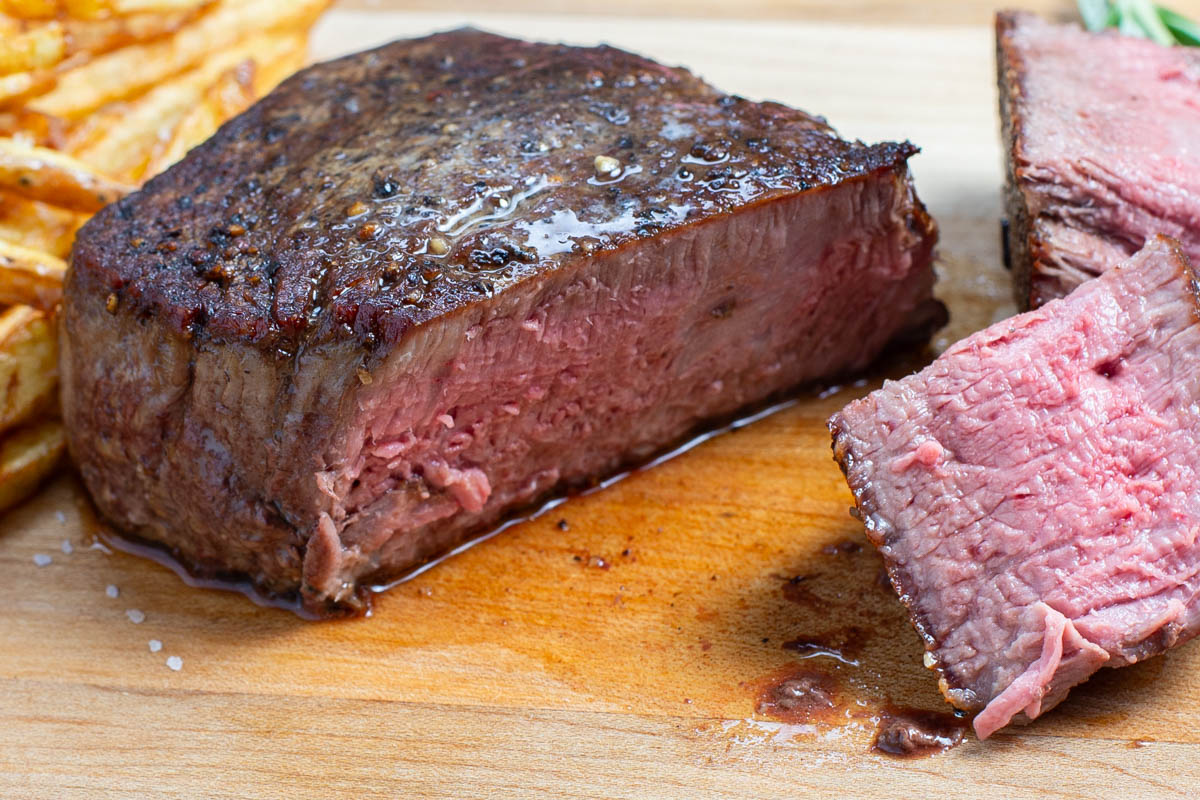
Unlock Steakhouse Secrets: Easy Pan-Fried Steak at Home
Imagine sinking your teeth into a perfectly seared, incredibly juicy, and tender steak, complete with that satisfying crust you usually only find in upscale restaurants. Now, imagine achieving this culinary masterpiece right in your own kitchen, without the need for an outdoor grill or a professional chef. That’s the magic of the pan-fried steak – a technique that promises steakhouse quality with surprising ease.
For many, especially those in colder climates where grilling outdoors is a heroic (and often frigid) endeavor, the stovetop offers a welcome refuge. Forget digging out the barbecue from under a blanket of snow; with a good quality pan and a few simple steps, you can enjoy a luxurious steak dinner any night of the week. This comprehensive guide will walk you through everything you need to know to master the art of the easy pan-fried steak, turning everyday meals into gourmet experiences.
The Allure of the Pan-Fried Steak
Why choose pan-frying over other methods? The answer lies in control and flavor. A heavy-bottomed skillet, particularly a cast iron pan or a quality stainless steel skillet, allows for incredibly efficient and even heat transfer. This intense heat creates what chefs call the Maillard reaction – the scientific process behind that irresistible browned crust and complex savory flavors. Unlike grilling, where heat can fluctuate, a pan gives you precise command over the cooking surface, ensuring a consistent sear and a perfectly cooked interior.
Choosing Your Champion: Selecting the Perfect Steak for Pan-Frying
The journey to an exceptional pan-fried steak begins long before you even turn on the stove. Selecting the right cut of beef is paramount, as it dictates the flavor, texture, and overall success of your dish. Think of it as laying the groundwork for your culinary triumph.
Ideal Cuts for Pan-Frying
When it comes to pan-frying, not all steaks are created equal. You’re looking for cuts that offer a good balance of flavor, tenderness, and crucially, excellent marbling. Marbling refers to the visible flecks and streaks of intramuscular fat distributed throughout the lean meat. This fat is your secret weapon: it renders during cooking, basting the meat from within, contributing immense flavor, moisture, and that coveted tenderness.
- Rib-eye: Often considered the king of steaks for its rich flavor and incredible tenderness, rib-eye is exceptionally well-marbled. This makes it very forgiving for pan-frying, delivering a consistently juicy and flavorful experience. Its generous fat content creates a fantastic crust.
- Beef Tenderloin (Filet Mignon): Renowned for its unparalleled tenderness, the tenderloin is a lean cut that melts in your mouth. While it has less marbling than a rib-eye, its fine texture makes it incredibly luxurious. It requires a bit more care to prevent drying out but rewards with a delicate flavor.
- Strip Loin (New York Strip): Striking a superb balance between tenderness and robust beefy flavor, the New York Strip typically has a good cap of fat on one side and moderate marbling throughout. It offers a firmer bite than a tenderloin but is still wonderfully tender.
While cuts like sirloin, round, or flank steak can be delicious, they are generally leaner and tougher, making them better suited for marinades, slow cooking, or dishes like Beef Stroganoff where they are sliced thinly or braised. For that true steakhouse experience from your pan-fried steak, invest in one of the top three.
The Importance of Thickness and Quality
Aim for steaks that are one inch to one and a half inches thick. This thickness is ideal because it allows sufficient time for a deep, golden-brown crust to form on the exterior without overcooking the interior. Thinner steaks cook too quickly, making it challenging to achieve a good sear while maintaining a rare or medium-rare center. Thicker cuts, while delicious, might require a hybrid cooking method, which we’ll discuss later.
Always seek out the highest quality beef you can afford. Look for bright, cherry-red meat with creamy white marbling. A good butcher can guide you to the best options and even cut a steak to your desired thickness. For more specific insights on cuts, especially for winter cooking, check out our guide on Master Pan-Fried Ribeye: Best Cuts for Winter Steaks.
The Art of the Sear: Mastering Your Pan-Frying Technique
Now that you have your perfect steak, it's time to transform it into a culinary masterpiece. The pan-frying technique is all about precision and patience, leading to a steak that is crusty on the outside and wonderfully juicy within.
Pre-Cooking Preparation: The Foundation of Flavor
- Bring to Room Temperature: This is a crucial, often overlooked step. Remove your steak from the refrigerator at least 30 minutes, and up to an hour, before cooking. Allowing the steak to warm slightly helps it cook more evenly from edge to center, preventing a cold, undercooked middle or an overcooked exterior.
- Pat Dry, Pat Dry, Pat Dry: Moisture is the enemy of a good sear. Vigorously pat your steak dry on all sides with paper towels. Any surface moisture will steam rather than sear, preventing that coveted crispy crust. This step cannot be emphasized enough!
- Season Generously: Once dry, season your steak liberally with coarse sea salt and freshly cracked black pepper. Don't be shy; a good amount of seasoning is essential for flavor. For an extra layer of taste, consider adding a sprinkle of garlic powder, onion powder, or a dash of your favorite steak rub.
The Searing Process: Heat, Oil, and Precision
- Choose Your Pan Wisely: A heavy-bottomed pan is non-negotiable. Cast iron skillets excel here due to their superior heat retention and even heat distribution. A heavy stainless steel skillet is also an excellent choice. Avoid thin, lightweight pans that lose heat quickly.
- Heat the Pan: Place your chosen pan over high heat. Let it preheat for several minutes until it's smoking lightly. This ensures the pan is hot enough to create an immediate sear.
- Add High-Smoke Point Oil: Once the pan is hot, add just enough oil to lightly coat the bottom. Opt for oils with a high smoke point, such as avocado oil, grapeseed oil, or canola oil. Olive oil, while flavorful, has a lower smoke point and can burn, imparting a bitter taste.
- Sear the Steak: Carefully place the seasoned steak into the hot pan. You should hear an immediate, aggressive sizzle. This is the sound of the Maillard reaction beginning! For a perfect crust, avoid flipping or moving the steak for the first 2-3 minutes per side. Let it develop a deep brown, crusty exterior.
- Flip and Continue: Flip the steak once it has a beautiful crust. Continue cooking on the second side for another 2-3 minutes.
The Butter Baste: Elevating Flavor and Moisture
For an added touch of luxury and incredible flavor, introduce butter during the final minutes of cooking. Reduce the heat slightly to medium. Add a tablespoon or two of unsalted butter to the pan, along with aromatics like smashed garlic cloves and a sprig of fresh rosemary or thyme. As the butter melts, tilt the pan slightly and use a spoon to continuously baste the melted butter and aromatics over the top of the steak. This infuses the meat with rich, savory flavors and helps create a perfectly glossy finish. Continue basting for 1-2 minutes.
Checking for Doneness: The Thermometer is Your Friend
Guessing internal temperature is a recipe for disappointment. Invest in an instant-read meat thermometer. Insert it into the thickest part of the steak, away from any bone or fat. Remember that the steak's internal temperature will continue to rise by 5-10 degrees Fahrenheit as it rests.
- Rare: 125-130ºF (pull from heat at 120-125ºF)
- Medium Rare: 130-140ºF (pull from heat at 125-135ºF)
- Medium: 140-150ºF (pull from heat at 135-145ºF)
- Medium Well: 150-155ºF (pull from heat at 145-150ºF)
- Well Done: 160+ºF (pull from heat at 155ºF+)
Err on the side of rare. You can always cook a steak longer, but you can’t undo an overcooked one.
The Crucial Final Steps: Resting and Slicing
Once your pan-fried steak reaches your desired internal temperature, resist the urge to cut into it immediately. These final steps are just as important as the cooking itself.
The Art of Resting
Transfer the cooked steak to a cutting board and tent it loosely with aluminum foil. Let it rest for 5-10 minutes (longer for thicker cuts). This resting period is critical. During cooking, the muscle fibers contract, pushing the juices to the center of the steak. Resting allows these juices to redistribute throughout the entire cut, resulting in a significantly more flavorful, tender, and juicy steak. Cutting too soon will cause all those delicious juices to spill out onto your board, leaving you with a drier, less flavorful piece of meat.
Slicing Against the Grain
After resting, slice your steak against the grain. The "grain" refers to the direction in which the muscle fibers run. Slicing perpendicular to these fibers shortens them, making each bite much more tender and easier to chew. You'll notice a distinct difference in texture compared to slicing with the grain.
Beyond the Plate: Pairing and Presentation
A perfectly cooked pan-fried steak deserves to be the star of a well-rounded meal. Consider serving it alongside classic steakhouse companions like creamy mashed potatoes (perhaps with roasted garlic for extra flair), crispy roasted asparagus, tender creamed spinach, or a simple, vibrant green salad with a light vinaigrette. For special occasions like Valentine's Day, a homemade béarnaise sauce or a red wine reduction can elevate the experience even further.
Don't forget the presentation! A warm plate, a sprig of fresh herbs, or a sprinkle of flaky sea salt can make your home-cooked steak look every bit as appealing as one from a fine dining establishment.
Conclusion
Mastering the easy pan-fried steak is a game-changer for any home cook. It's a testament to the fact that you don't need fancy equipment or a professional kitchen to create truly exceptional food. By understanding the importance of high-quality cuts, diligent preparation, precise cooking techniques, and the non-negotiable resting period, you can consistently achieve a steakhouse-quality experience at home. So, grab your pan, select your steak, and prepare to impress yourself and your loved ones with a perfectly seared, tender, and incredibly flavorful pan-fried steak. Happy cooking!
